Empowering Survivors: Navigating Cancer Treatment and Support for a Healthier Tomorrow
The journey through cancer treatment can often feel like wandering through a dense fog—unpredictable, stressful, and sometimes overwhelmingly lonely. For many cancer patients, navigating the path to recovery is more than just a medical endeavor; it’s an emotional and mental expedition as well. Imagine standing at a crossroads, a map in hand, unsure of which route to take. That’s what many cancer patients face. So, how can we illuminate this path? By exploring essential tips that can help transform this daunting journey into a more manageable adventure. Welcome to our oncology blog, where we delve into the nuances of cancer survivorship and advocacy, ensuring that you are not alone in this battle.
First and foremost, let’s talk about the importance of access to reliable cancer information. Knowledge is power; this couldn’t be more applicable to cancer patients. Being informed about cancer treatment options, the side effects you might experience, and the resources available can significantly ease your anxiety. Have you ever felt lost while browsing endless pages of medical jargon? Fret not! Health blogs and credible cancer research news platforms can be incredibly helpful. Patient support groups, both online and offline, are also vital. They provide a safe space to share experiences, from medical symptoms to emotional highs and lows. Remember, as the saying goes, 'A burden shared is a burden halved.'
Cancer can drastically affect not only your physical health but your mental health as well. It’s important to acknowledge this relationship and advocate for your emotional needs. Are you taking time for self-care? Whether it’s journaling, meditating, or connecting with loved ones, make space for activities that nurture your mental well-being. A holistic health approach doesn’t just focus on curing the illness; it emphasizes maintaining emotional balance. Engaging in mental health strategies can be as vital as following through with your cancer treatment regimen. This is your life, so prioritize your mental health as much as your physical health.
Next comes lifestyle changes for cancer. You might wonder, can what I eat really make a difference in my recovery? Absolutely! Nutrition plays an essential role in strengthening your body during and after treatment. Incorporating a balanced diet rich in fruits, vegetables, and whole grains can boost your immune system. Simple lifestyle adjustments—like getting enough sleep, reducing stress, and exercising lightly—can promote recovery and resilience. Research shows that these changes may even aid in disease prevention, setting the foundation for a healthier tomorrow. Another quote that inspires many cancer patients is, 'Healing takes time, and asking for help is a courageous step.' So don't hesitate; reach out to dietitians or health professionals.
Finally, make it a point to convey your survivor story, whether through writing or sharing in community events. Your experiences may offer solace and courage to others who are grappling with similar challenges. Spreading cancer awareness creates an essential chain of support, encouraging people to engage with cancer advocacy initiatives. If you’ve ever doubted the impact of sharing your story, remember, 'Every story matters.' Each narrative adds a unique brush stroke to the grand tapestry of patient experiences—educating, empowering, and inspiring hope. By lifting each other up, we strengthen the collective will to fight cancer and claim a healthier tomorrow. Together we navigate this path, not just for ourselves, but for those who will walk it after us.
The Power of Community: How Support Networks Enhance Cancer Survivorship
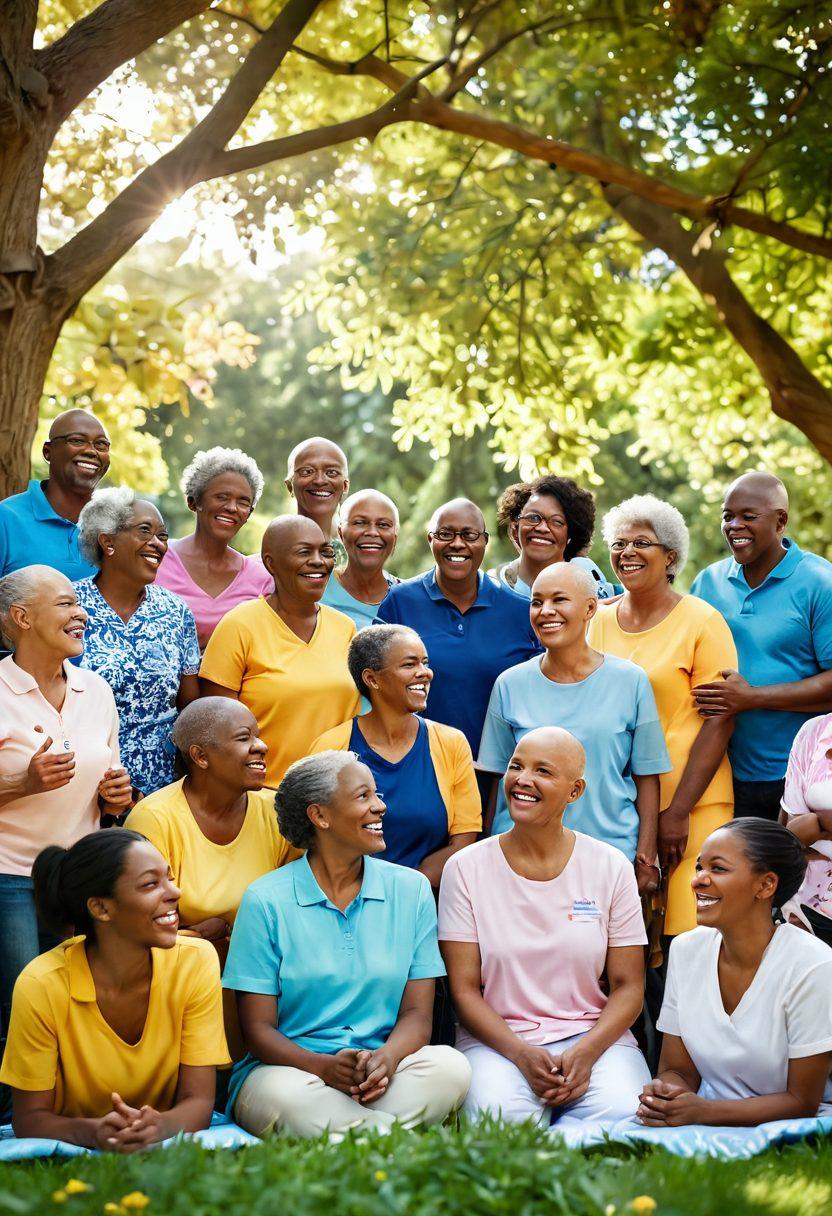
In the journey through cancer treatment and survivorship, one undeniable truth emerges: the power of community can be a beacon of hope amidst the storm. Imagine standing at the foot of a daunting mountain, unsure of the path ahead, when suddenly a group of fellow climbers appears, ready to tackle the ascent together. This image powerfully encapsulates the essence of support networks, which contribute significantly to the healing journey of cancer patients. As we delve deeper into this aspect of cancer survivorship, we find that these networks not only bolster resilience but also weave a web of nurturing connections that can transform lives.
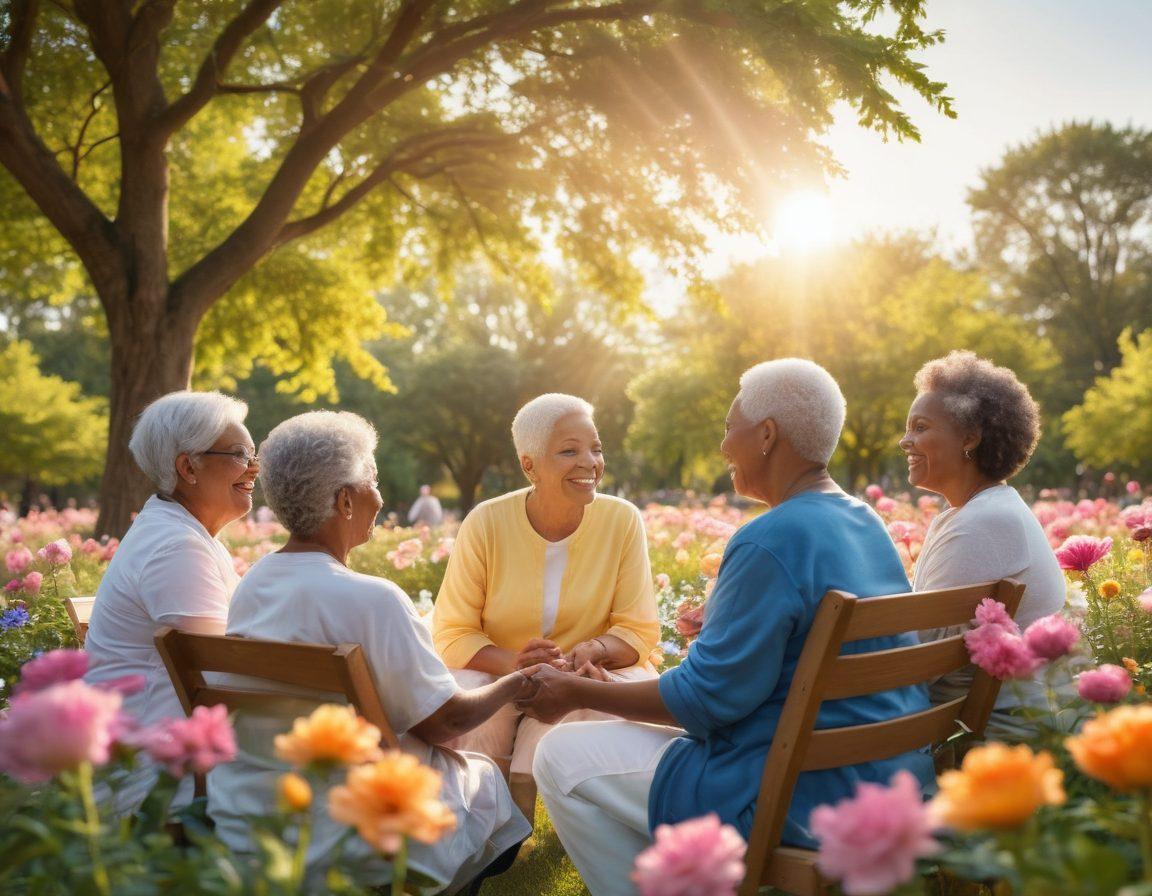
Support networks for cancer patients are far more than just a circle of friends or family; they are essential lifelines for emotional, mental, and physical health. In this age of information, our oncology blog emphasizes the value of joining support groups—be they local or online. The sharing of personal cancer stories, coping strategies, and even practical advice on nutrition or lifestyle changes for cancer survivorship fosters a sense of belonging. What could be more empowering than knowing you are not alone on your journey? Could an online community be the support system you’ve been searching for?
Statistics show that patients who engage in support communities often report lower levels of anxiety and depression during their cancer treatment. According to numerous cancer research news pieces, mental health in cancer is just as crucial as the physical aspects of treatment. Sharing fears, triumphs, and challenges with others who are on a similar journey can alleviate feelings of isolation. Have you ever noticed how a heartfelt conversation can lift your spirits? Now, imagine this scenario amplified by the shared experiences of others. The empowerment derived from such communal bond extends beyond mere emotional support.
In addition to emotional benefits, the wealth of cancer information available through these networks can be staggering. From holistic health practices to disease prevention, a comprehensive health blog can serve as a treasure trove of resources. Members may exchange tips on navigating oncology research, access local cancer support resources, or even explore cancer advocacy initiatives. Each resource or piece of advice gathered from these interactions can be instrumental in taking charge of one’s treatment. Do you have access to the tools you need in your fight against cancer?
The transformative impact of community support is beautifully illustrated through the anecdotes of survivor stories. Many former cancer patients attribute their healing journey to the support received from these networks. Whether these stories come from chemotherapy warriors banding together in a waiting room or digital forums buzzing with encouragement, the message remains consistent: support networks amplify hope. As we continue to champion cancer awareness and fight against stigma, let us not forget the vibrancy and strength inspired within our communities. So, how will you harness the power of community on your path to healing?
From Awareness to Action: Harnessing Research and Advocacy for a Healthier Tomorrow
In the journey of battling cancer, awareness often serves as the first beacon of hope. When we speak of 'cancer awareness,' we’re not just talking about recognizing the disease but understanding its impact on cancer patients and their families. It's crucial to harness this awareness into tangible action — transforming knowledge into advocacy. How can we aid those navigating the tumultuous waters of cancer treatment? What can we do to not only support survivors but also to empower them on their path towards recovery? These are the questions that inspire us to delve deeper into the world of cancer research and advocacy today.
Imagine stepping into a room filled with individuals who have all faced the daunting specter of a cancer diagnosis. Their stories are not just statistics; they are rich narratives of resilience and hope. One such inspiring voice is that of Sarah, a 10-year breast cancer survivor. She often shares, 'Cancer is not just about the disease; it's about learning to live with purpose.' As we talk about cancer survivorship, let’s remember it is a journey filled with highs and lows, victories and setbacks. By fostering community and shared experiences, we remind cancer patients that they are not alone in their fight, and that advocacy can be a continuous movement through personal stories.
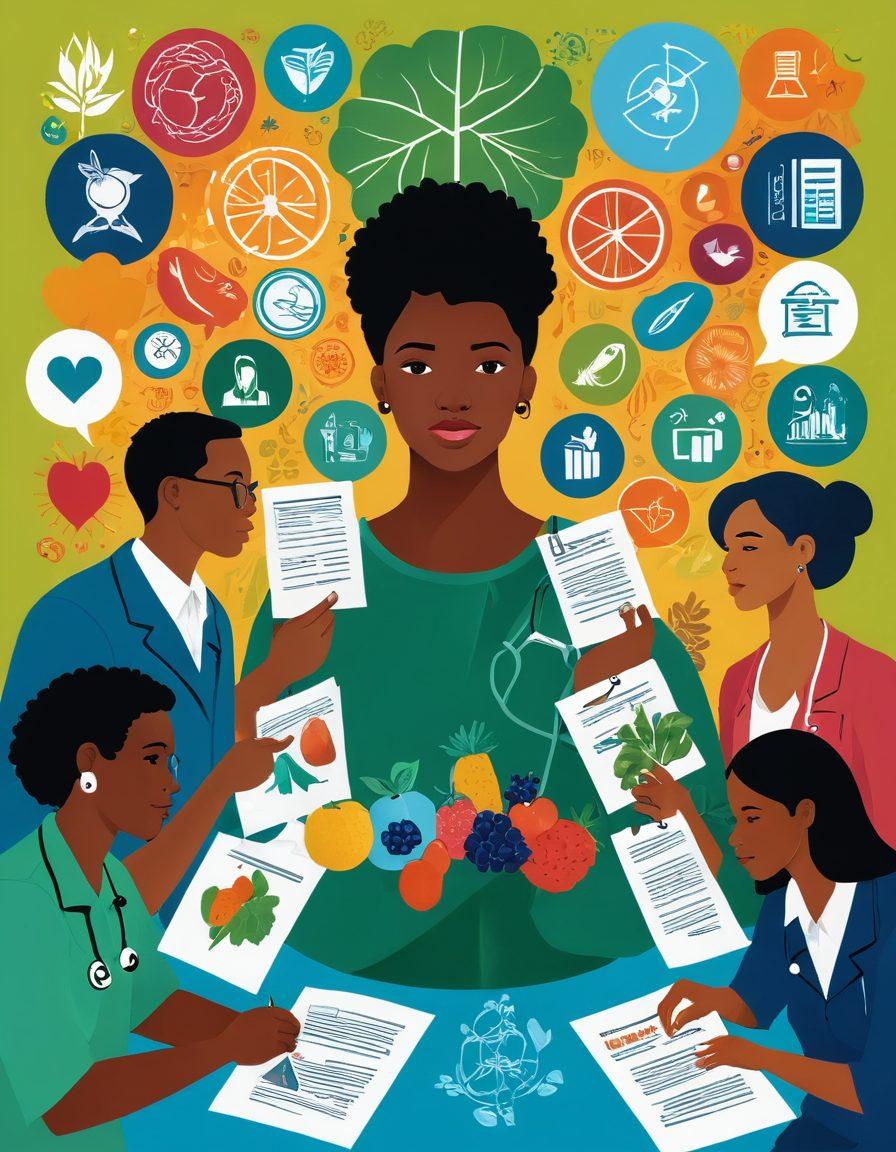
Research plays a pivotal role in advancing cancer treatment and support. Every day, discoveries emerge that can change the landscape of oncology research. From breakthroughs in immunotherapy to steps forward in personalized medicine, staying informed through the latest cancer research news is paramount for both patients and caregivers. A health blog focused on oncology can be a valuable resource, offering insights into new studies, treatment options, and lifestyle changes for cancer that can make a meaningful difference in everyday life. Educational resources help demystify medical jargon, making cancer information accessible and navigable, which can significantly reduce the fear surrounding diagnosis.
But awareness without action is like a ship without a sail. How do we transition from being passive observers to active advocates? Engaging in cancer advocacy can start with simple steps, such as participating in local fundraising events or lobbying for policies that support cancer patients and research initiatives. Sharing personal cancer stories aids in creating a ripple effect, inspiring others to join the movement. It’s about building momentum — from emphasizing disease prevention to promoting mental health in cancer care. Advocacy is about giving a voice to many; it’s about enabling every survivor to be an ambassador for hope and change.
To truly empower ourselves and others, embracing holistic health approaches can be transformative. Whether it’s exploring dietary choices, therapeutic exercises, or mindfulness practices, integrating health and wellness into daily life significantly impacts cancer treatment outcomes. It’s a journey of maintaining not only physical health but also nurturing mental wellness. Let’s ask ourselves, how can we transform our lifestyles for cancer prevention, and how can we offer patient support that addresses the whole person? By answering these questions, we cultivate an environment ripe for healing and resilience, forging a healthier tomorrow for those touched by cancer.